EN
 FR
 DE
 IT
 PT
 ES


Exchange Server 365: Complete Guide
Introduction
In today's fast-moving digital landscape, efficient communication tools are essential for any business to thrive. Exchange Server 365, Microsoft's cloud-based email solution, offers a wealth of features designed to streamline business communications. But what exactly is Exchange Server 365, and how can it benefit your organisation? Whether you are exploring server solutions for the first time or upgrading an existing setup, this guide covers everything you need to know.
Great Deals on Exchange Servers
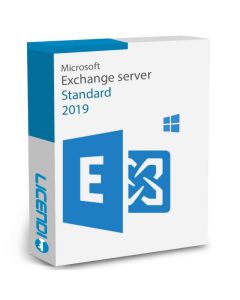
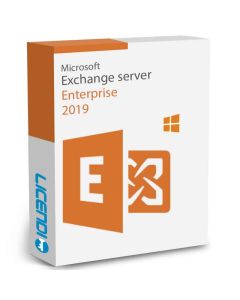
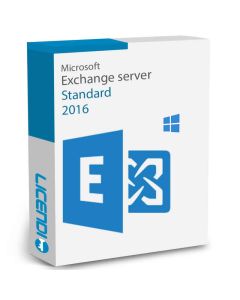
Looking for a reliable Exchange Server? Our store offers a wide variety of Exchange Servers at competitive prices, complete with activation guarantees. Whether you are upgrading your existing setup or starting fresh, we have got you covered with the best deals and top-notch support.
What is Exchange Server 365?
Exchange Server 365, part of the Microsoft 365 suite, is a cloud-based email server that provides organisations with a reliable and secure way to manage their emails, calendars, contacts, and tasks. Unlike traditional on-premises servers, Exchange Server 365 is hosted on Microsoft's servers, ensuring high availability, security, and scalability. Businesses that already rely on Microsoft 365 for remote work will find Exchange Server 365 a natural addition to their productivity stack.
Key Features of Exchange Server 365
Email and Calendar Management
Exchange Server 365 offers robust email and calendar management tools. You can access your emails, schedule meetings, and set up appointments from any device, anywhere. This flexibility is crucial for businesses with remote or hybrid work models.
Enhanced Security
With cyber threats on the rise, security is a top priority. Exchange Server 365 includes advanced security features such as anti-malware protection, anti-spam filtering, and data loss prevention. Microsoft also ensures regular updates to keep your data secure.
Integrated Contacts and Tasks
Managing contacts and tasks has never been easier. Exchange Server 365 integrates seamlessly with other Microsoft 365 apps, allowing you to sync your contacts and tasks across different devices and platforms. For teams that have already made the move, there are plenty of reasons to switch to Microsoft 365 that extend well beyond email.
High Availability and Reliability
One of the most significant advantages of using Exchange Server 365 is its high availability. Microsoft guarantees a 99.9% uptime, ensuring your email services are always accessible.
Scalability
Whether you are a small business or a large enterprise, Exchange Server 365 scales with your needs. You can easily add or remove users, adjust storage limits, and manage resources as your business grows.
Benefits of Using Exchange Server 365
Cost Efficiency
Traditional email servers require significant upfront investment and ongoing maintenance costs. Exchange Server 365 operates on a subscription model, which can be more cost-effective, especially for small to medium-sized businesses.
Accessibility
Being cloud-based, Exchange Server 365 allows you to access your emails and calendar from any device with an internet connection. This accessibility is vital for maintaining productivity in today's fast-paced work environment.
Improved Collaboration
Exchange Server 365 integrates with other Microsoft 365 tools such as Teams and SharePoint, enhancing collaboration within your organisation. You can share calendars, schedule meetings, and manage tasks more efficiently.
Automatic Updates
Microsoft handles all updates and maintenance, ensuring your system is always up to date with the latest features and security patches.

Setting Up Exchange Server 365
Setting up Exchange Server 365 is straightforward, but it requires some planning. Here is a step-by-step guide to get you started:
Step 1: Subscribe to Microsoft 365
First, choose a Microsoft 365 plan that includes Exchange Server 365. Plans vary based on the size and needs of your organisation.
Step 2: Domain Setup
Next, you will need to set up your domain. This involves verifying your domain with Microsoft and configuring DNS records to direct your email traffic to Exchange Server 365.
Step 3: User Accounts
Create user accounts for your employees. You can do this manually or use bulk upload tools if you have many users.
Step 4: Migration
If you are moving from an existing email server, you will need to migrate your data to Exchange Server 365. Microsoft provides tools and documentation to assist with this process.
Step 5: Configure Clients
Finally, configure email clients (such as Outlook) on your users' devices. This ensures they can access their emails, calendars, and contacts seamlessly.
Final Thoughts
Exchange Server 365 is a powerful tool for any business looking to enhance its communication and collaboration capabilities. With its robust features, high security, and seamless integration with other Microsoft 365 tools, it is no wonder many organisations are making the switch.
Ready to upgrade your business communication? Browse our Exchange Server licences today and experience the benefits first-hand!
Best regards,
The Licendi Team
FAQs About Exchange Server 365
Q: Can I use Exchange Server 365 with non-Microsoft email clients?
A: Yes, Exchange Server 365 is compatible with various email clients, including Apple Mail and Thunderbird.
Q: How secure is Exchange Server 365?
A: Exchange Server 365 includes advanced security measures such as encryption, multi-factor authentication, and regular updates to protect your data.
Q: What if I need more storage?
A: You can easily upgrade your storage limits by adjusting your Microsoft 365 subscription plan.