EN
 FR
 DE
 IT
 PT
 ES


Why You Should Never Use Pirated Software
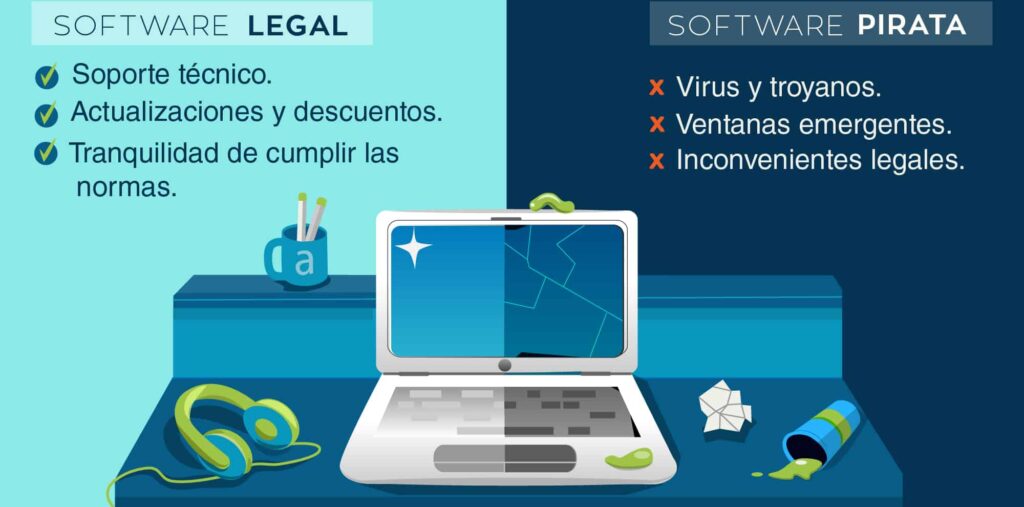
Buying software from original sources can be expensive. Many students, teachers and other academics struggle with these costs and turn to pirated software as a result.
Fortunately, there is a middle ground. At Licendi, we offer Original but used licences that work exactly like new ones, but at a fraction of the cost.
They may need expensive, highly specialised software to study in a particular programme or to advance a research project, yet people on tight budgets often find it difficult or impossible to afford it.
Some then turn to pirated software — any product used outside the permission terms set by the manufacturer or distributor. This may mean the use of a cheap, illegally copied version.
It can also involve the use of "cracked" software, which someone has intentionally modified to behave in a way not intended by the manufacturer. For example, a cracked version could allow someone to continue using it after the usual 30-day trial has expired.
With Licendi, none of that is necessary. We offer a large variety of software at much lower prices because we buy in volume and negotiate directly with suppliers. We also deal in pre-owned licences, which reduces costs even further — all while remaining fully legal. Visit our online software licence shop to see for yourself.
How does pirated software development differ?
Pirated software is often created when someone obtains a legitimate copy and then uses a tool to alter its code. Detailed instructions — some with screenshots — are readily available online, describing how to alter a program’s code and reassemble it so that it behaves differently than the manufacturer intended.
Once someone learns the method, modifying or copying software can take just minutes. Deep technical knowledge is not required — understanding the piracy tool itself is what matters.
In contrast, people who create legitimate software often have years of experience in software development, and work with teams of colleagues to go through the software development lifecycle. This encompasses several stages from defining functionality requirements through to testing the finished product.
Not surprisingly, these large differences in development mean that people using pirated software are out of luck if something goes wrong. Pirated software does not include the advantage of having a technical support team to turn to for questions or concerns. However, there are also other reasons not to use it.
Illegality
Using or distributing pirated software is a violation of software copyright law. Companies and individuals face penalties of up to €150,000 per case. They have also committed a felony that can lead to up to five years in prison.
Even if a person uses pirated software innocently - most sites that offer cracked software do not warn people that they are breaking the law by using it - their actions can have consequences for their businesses, jobs and livelihoods.
For example, allegations of using pirated software may lead university authorities to decide that the visiting professor who did so breached the terms of the agreement allowing him or her to come to the institution.
Lack of updates in Pirate Software
The consequences of using pirated software affect virtually every sector. The transport industry relies on software in its vehicles, and medical facilities depend on it for patient care and record-keeping.
Illegitimate software rapidly deteriorates in quality, but authorised copies improve continuously. The low quality and lack of updates of illegally obtained free software can directly harm and hinder businesses.
Obsolete software is also a well-known and widely documented security risk. Updates made to authorised software titles often include new features; however, they also often have security patches. Running older platforms - pirated or not - opens up the possibility of facing a cyber-attack.
Malicious content
The software itself also poses security risks. In a recent case, cybersecurity researchers uncovered evidence of illegitimate software key generators and cracked platforms containing ransomware that stole users' passwords. They found the dangerous versions on popular sites known to distribute pirated material.
Given that people use their computers for activities such as banking, shopping and filing health insurance claims, it is easy to see how a hacker could quickly obtain a large amount of sensitive details by getting hold of passwords. Cybercriminals know that passwords are lucrative because of the access they provide. Making this type of ransomware fits their goals.
Pressing ahead despite the risks
Many people do not realise that browsing a collection of cracked software and downloading from it is illegal. They may Google something like "free data science software" and accidentally stumble upon an illegitimate site. They don't see banners that say "Warning: You are committing copyright infringement by downloading this title", so they don’t immediately consider the dangers.
Others know the risks but proceed anyway, often because the software is too expensive to obtain legally and their employer or university will not provide it.
Pirated software will always be available, but using it is a bad idea for the reasons outlined above. At Licendi, you have an ideal alternative: fully functional original software with all guarantees, at a very competitive price.
If you still have questions, leave a comment below.
Best regards,
The Licendi Team
You may also be interested in: How to check the Windows Defender version in Windows 10?