EN
 FR
 DE
 IT
 PT
 ES


Microsoft 365: Pros and Cons
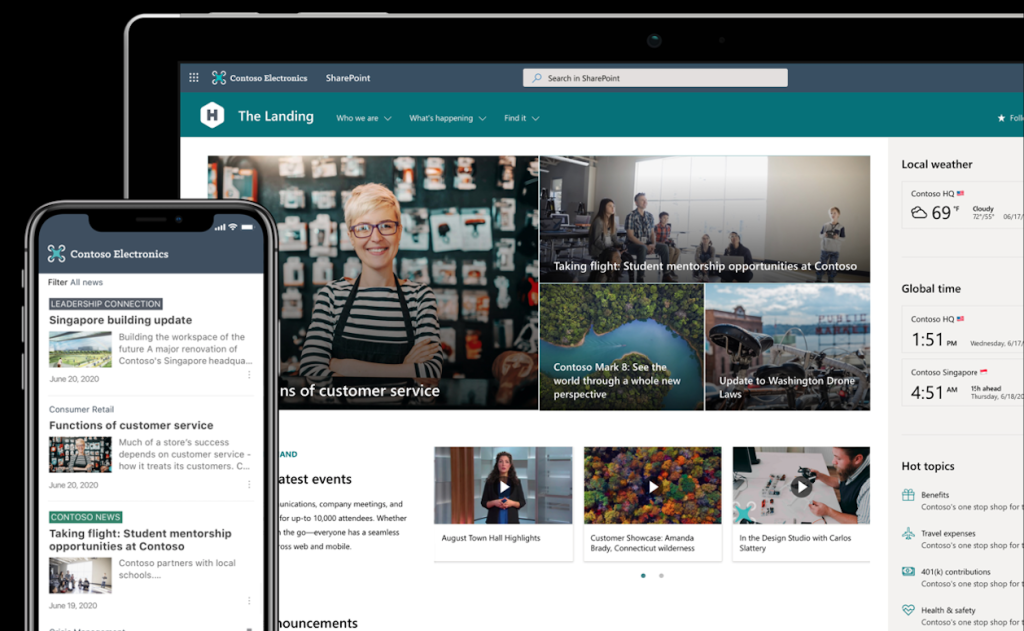
Microsoft has made significant changes to its SharePoint platform. The new SharePoint Online, available with Microsoft 365, includes a wide range of features. Microsoft’s move to the cloud with the latest version of Microsoft 365 and SharePoint Online has been welcomed by many, but some managers remain hesitant about moving critical content to the cloud.
Your decision should take into account the requirements of your business, the type of company you operate and its size, along with the needs of end users. Microsoft 365 has several subscription tiers with annual commitments for small businesses, education and even government organisations.
The product is cloud-based and offers a wide range of options. However, if your company has strict regulatory requirements around customer security, you will most likely need to verify security levels and email archiving protocols.
You may also be interested in: Office 2021 vs Microsoft 365: Which Do You Need?
Advantages of Microsoft 365
Cost-effectiveness
When it comes to paying for licences, Microsoft 365 is competitively priced depending on the number of users your office requires. With its subscription model, you automatically receive updates, so you will not have to pay for new software every time Microsoft releases a new version. Because you pay per user, you only pay for the resources you actually use.
Cloud storage
Each user will have access to OneDrive, which depending on your service level offers up to 1 terabyte of storage per user in a cloud environment. You can share and synchronise files through permission-based features. If your users need additional storage, you can easily purchase more.
Easy access to files

Microsoft 365 plans offer access to Word, Excel, PowerPoint and other programmes through an online web version. This is immensely beneficial for those who travel or work remotely. You can open and edit your documents from any device and browser. There are also mobile apps available for the same purpose.
Accessible and affordable email

You can access your email anytime, anywhere, because Microsoft 365 Outlook is hosted in the cloud. Most email options require no administrator or hosted exchange server, making it affordable for smaller businesses.
Most plans are managed through an easy-to-use interface that does not require an IT professional. If your company is large and needs more robust controls, many enterprise versions have a PowerShell interface that manages permissions for email and other programmes.
Scalability
Like anything built in the cloud, Microsoft 365 allows your company to scale from one user to around 300 users. As your business grows, Microsoft 365 scales to meet your needs.
Additional tools
Teams, SharePoint and other collaboration tools are additional features available in Microsoft 365. They are ideal for communication and collaboration within your company.
Business continuity
Built on the Microsoft Azure platform, Microsoft 365 offers a reliable infrastructure that is secure and trusted.
Disadvantages of Microsoft 365
No product is perfect, so here are some disadvantages of Microsoft 365 worth considering.
Cost considerations
Budget constraints can be a factor — particularly if your business is seasonal. The recurring subscription fee may not suit every company. While Microsoft 365 is often more cost-effective than perpetual licences, it may not work as well for seasonal businesses. For a breakdown of the most economical options, see our guide on the most economical Microsoft Office licence for businesses.
Limited customisation
Because Microsoft 365 is built in the cloud, there is less flexibility and customisation. If you have a hybrid setup (a combination of cloud and on-premises), you might need a third party or add-ons for other collaboration tools or email.
Data security

As with any cloud-based solution, your data resides on Microsoft servers. Many companies consider this a secure option, but industries such as healthcare and financial services that are bound by regulatory restrictions may require data to be stored on-premises. Microsoft offers options for these organisations, though they tend to be more expensive and may not fully meet all requirements.
Email archiving and eDiscovery
When it comes to archiving and eDiscovery tools, Microsoft 365 has limitations. If your company is regulated, ensure there are no restrictions on your email archiving and retention plan. While Microsoft 365 includes an eDiscovery tool, it may not be part of your plan or straightforward to manage. Examine all these features before migrating. To ensure compliance, you may need a third-party email archiving provider.
Email limits
Unlike on-premises Exchange servers, there are limits on the number of emails that can be sent and received per day. These vary by subscription, and Microsoft continues to improve quotas. Your company should investigate these limits before moving to Microsoft 365.
With technology advancing every day, weighing up the advantages and disadvantages of any platform requires thorough research that starts within your business. There is no doubt that Microsoft 365 is helping many businesses save money and take advantage of the cloud, but you should carefully consider the limitations and address any gaps with third-party providers if necessary.
Ready to get started? Browse our full range of Microsoft Office licences to find the right plan for your needs.
If you have any questions, feel free to leave a comment below or contact our team.