EN
EN FR
FR  DE
DE  IT
IT  PT
PT  ES
ES 

Software Guide for Professional Firms
Introduction
For a modern professional firm, the right software is just as important as a strong team. Law firms, accounting firms, architecture studios, and consulting firms all need reliable computer tools. These tools help them manage daily work efficiently and securely. This software guide gives you a full look at the key tech solutions needed in any professional office.
Recent changes, like many people working from home, show that having the right digital tools is key. They help keep work going and communication clear from anywhere. So, choosing the right software isn't just a tech task. It's a smart business decision for the firm's success. In fact, over 80% of professional firms see digital changes as very important for their future.
We will talk about the main software every firm needs. This includes operating systems, office programs, antivirus tools, and special applications. We'll see how Microsoft Windows and Microsoft Office are central to professional work. We'll also cover why protecting information with good antivirus software is important. Plus, we'll look at specific software for:
- Law firms
- Accounting firms
- Architecture studios
- Consulting firms
If you want to make your firm more productive and secure, keep reading this guide. It will help you choose the best software.
Operating System: Windows in the Professional Environment
The operating system is the main base for all software in a professional firm. In most offices, Microsoft Windows is the standard. This is because it's reliable, works with many programs, and is easy to use. Windows offers a familiar setup for users. It also supports most productivity apps and special software that professional firms use.
Why Choose Windows Pro?
For a professional firm, we suggest using Windows Pro versions (like Windows 10 Pro or Windows 11 Pro). These versions include advanced security and management features. For example, they allow:
- Data encryption with BitLocker
- Connecting devices to a company network (corporate domain or Azure Active Directory)
- Tools for remote administration
These features are very important for keeping systems safe and making it easier to manage many devices in an office.
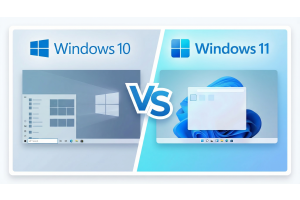
Upgrading to Windows 11
Windows 10 has been the standard in offices for many years. However, its official support ends in October 2025. After this date, it won't get security updates or help. This leaves the system open to risks if you keep using it. Because of this, many companies are moving to Windows 11. This is Microsoft’s newest version. It offers:
- Better performance
- A modern look
- Improved security features (like TPM 2.0 needs and secure boot)
These features make Windows 11 perfect for professional settings where data protection is a top concern.
Keeping your operating system updated is key for a firm's security and stability. Regular Windows updates fix problems, add new features, and strengthen protection against new threats. In short, choosing Microsoft Windows ensures it works with most business software. It also provides the tools needed to manage a professional work environment safely and well.
Office Suite: Microsoft Office
The office suite is a must-have set of programs for any professional firm. Microsoft Office (now called Microsoft 365 for its subscription versions) is the top choice for most firms. It's strong, has many features, and is used by many businesses. With Microsoft Office, professionals can easily create documents, spreadsheets, and presentations. They can also manage communications with great power.
Key Microsoft Office Applications
Here's how different Office apps help professional firms:
- Microsoft Word: This is the main tool for creating documents. Firms use it to write contracts, reports, and all kinds of professional papers. Word helps create documents with a neat and professional look. It offers templates, styles, and spelling/grammar checks.
- Microsoft Excel: This is essential for working with numbers. Accounting firms use it to manage accounts, balance sheets, and financial analysis for clients. Excel can make charts, pivot tables, and use complex formulas. This makes it a flexible and strong tool for any professional.
- Microsoft PowerPoint: This is key for making good presentations. An architecture firm, for example, can show designs and plans in good-looking slides to clients. Well-made presentations help share ideas clearly and convincingly.

Communication and Collaboration: Outlook and Teams
Beyond classic office apps, professional firms need tools to talk and work together well. Microsoft Outlook is the top email and calendar tool for businesses. It lets professionals manage company email accounts with their own domain. They can also organize meetings and manage client contacts. Outlook works well with company email and other Office apps. For example, you can send a Word document directly as an attachment. This saves time and improves communication.
Microsoft Teams, also part of Microsoft 365, is great for internal communication and client collaboration. It offers:
- Chat
- Video conferencing
- Real-time document collaboration
In a modern firm, teamwork and working remotely are essential. Tools like Teams are very valuable for this.
Many companies also use other video conferencing tools like Zoom or messaging platforms like Slack. This is especially true in hybrid work settings where some team members work from home. The main goal is to make sure all staff can talk in real time and share information easily, no matter where they are.
IT Security: Antivirus and Data Protection
No professional firm can ignore computer security. Firms handle sensitive client and project information. A security breach or malware infection could have very bad results. This could range from losing data to private legal or money details being exposed. So, having reliable antivirus software and using data protection steps is a must-have.
Choosing Antivirus Solutions
There are many antivirus options for businesses. Many small offices use Microsoft Defender. This antivirus is built into Windows 10 and 11. It offers good basic protection at no extra cost. However, for stronger protection, it's good to check out other trusted solutions. Security suites like Norton, Bitdefender, or Kaspersky offer advanced features:
- Anti-phishing protection for email
- Two-way firewalls
- Web filtering to block bad websites
- Anti-ransomware tools that protect important firm documents
Beyond Antivirus: Good Security Habits
Security isn't just about installing antivirus software. It also needs good habits:
- Doing regular backups (ideally external or cloud-based)
- Keeping all software updated
- Protecting sensitive information with encryption and strong passwords
It's also very important to teach staff about basic cybersecurity. This helps prevent human errors, like opening a bad email, from risking the firm's security. In short, a good antivirus, updated systems, regular backups, and informed staff create a strong defense. This protects both information and business operations.
Software for Law Firms (Lawyers)
Law firms have special needs in their daily work. They benefit from specialized software. Besides Windows, Office, and antivirus, law firms often use apps to manage cases, legal documents, and deadlines. For example, solutions like Kleos (Wolters Kluwer) and other programs help firms:
- Organize client files
- Track case status
- Store scanned documents
- Record deadlines (court dates, filing dates, submissions)
These tools combine calendars, legal databases, and reporting features. This makes legal office work much easier.
In Spain, the LexNET platform is required for submitting court documents. So, any legal software chosen must work with this electronic filing system. Many legal software solutions also work with Microsoft Word. This helps use firm templates and makes it easier to send documents to courts electronically.
Also, reliable software for PDF documents is key. This includes merging files, searching text, and digital signatures. A lot of legal paperwork comes in PDF format. Adobe Acrobat is the most well-known tool for these tasks, but cheaper options are available. Many legal software suites also include billing by time, client management, and electronic signature systems. These features help make the legal process fully digital.
Software for Accounting Firms and Financial Advisory Offices
Accounting and tax advisory offices need special software to correctly handle numbers. Like any professional firm, Microsoft Windows and the Office suite are the tech base. Excel, in particular, is the main tool for managing numerical information. Excel spreadsheets are used to:
- Keep accounting records
- Prepare balance sheets
- Calculate taxes
- Analyze financial statements
It offers high accuracy thanks to its advanced functions. Word and PowerPoint are also used to prepare client reports and present tax planning strategies clearly.
Specialized Accounting Software
A special and important software for these firms is accounting and invoicing software. The market offers several top solutions:
- Sage 50cloud (which replaced ContaPlus)
- The A3 Asesor suite from Wolters Kluwer
- Cloud-based solutions like Holded
These programs handle full accounting management, including:
- Journal entries
- Official books
- Invoicing
- Tracking expenses and income
- Automatic tax calculations
Their biggest benefit is reducing human errors and ensuring rules are followed. They are updated regularly to reflect changes in tax laws and rates. They also do repeated tasks automatically, like recurring invoices and electronic tax filings, saving important time.
Document Organization
Another important part is organizing client documents digitally. This includes invoices, contracts, payroll records, and tax filings. A cloud storage system or document management solution with well-structured folders (by client and year) helps firms. It lets them store everything safely and find any file quickly. This stops information from being lost.
Software for Architecture and Engineering Studios
Architecture and engineering firms have different software needs. They mainly focus on creating designs and project models.
Design and Modeling Tools
The most famous computer-aided design tool in architecture is AutoCAD. It's a must-have for drawing technical plans. Recently, the BIM (Building Information Modeling) method has become popular. Programs like Autodesk Revit let professionals model whole buildings. They also combine all project details. These programs need powerful computers, and Windows is the right platform for them.
Other Essential Software
Of course, these firms also need Office tools for project documents and communication:
- Word is used to write technical reports, specifications, and bid documents.
- Excel is used for cost calculations and budgeting.
- PowerPoint is used to create project presentations that look good.
To plan and manage construction projects, tools like Microsoft Project help coordinate tasks, timelines, and teams. Finally, it's very important to protect the firm’s valuable design files. Do this through regular backups and strong security measures.

Software for Consulting Firms and Professional Services Offices
Business consulting firms mainly analyze data and suggest solutions for their clients. Because of this, they use Microsoft Office a lot:
- Excel for data analysis (financial, market, operational)
- PowerPoint to clearly present findings and recommendations
- Word to write final reports documenting conclusions
Mastering these tools is key in this field. A lot of the work involves organizing data in spreadsheets and then presenting conclusions in professional presentations.
Project Management and Collaboration
To manage many projects, consulting firms often use project management software. Microsoft Project, for example, helps teams plan schedules, assign people and tools, and track progress. They also use collaboration platforms to organize team tasks. These are often integrated into Microsoft Teams to keep everything in one place.
For communication, email (Outlook) is still essential for talking with clients. Virtual meetings using video conferencing tools (like Microsoft Teams) allow working together instantly without needing to travel.
Advanced Data Analysis
When Excel isn't enough, many consulting firms use business intelligence tools like Microsoft Power BI. This helps them create easy-to-use reports with complex data. They can then understand more and make better choices.
Depending on what a consulting firm specializes in, more specific tools might be added. For example, a financial consultancy might use financial modeling software. A marketing firm might use statistical analysis or data visualization tools. Still, the main base for daily work remains Windows and Microsoft Office. These are supported by project management, cloud collaboration, and data analysis apps to give clients the best service.
The Importance of Software Licenses and Where to Purchase Them
When setting up a professional firm with technology, remember the legality and quality of software licenses. Using real and updated software licenses does more than just follow the law. It also gives you access to official updates and support from the maker. In a professional setting, it's not okay to risk using software without a proper license. It might stop working at any time or lead to unexpected software checks. Also, unofficial versions often don't get security fixes, leaving the firm open to known risks.
Benefits of Genuine Licenses
Investing in licenses for Windows, Microsoft Office, and other key apps is an investment in peace of mind and smooth business operations. Here's why:
- Legal Compliance: Avoids fines for using pirated software.
- Full Functionality: Ensures your firm uses genuine products with all features and no limits.
- Regular Updates: You'll get updates that improve performance and fix security weaknesses.
- Technical Support: If software acts up during a critical workday, a valid license means you can contact support for a fast fix. With unlicensed software, you'd be on your own.
In our store Licendi, you can buy official licenses for Microsoft Office, Windows, and antivirus software with full trust. In summary, real licenses are the base for a firm's entire digital setup. They ensure stability, legal safety, and that software works best every day.
Conclusion
Digital changes have reached professional firms in all sectors. Choosing the right software is now an important choice for productivity and staying competitive. In this guide, we looked at the key tools:
- A strong operating system like Microsoft Windows as the base.
- The Microsoft Office suite to handle all office work, communication, and teamwork needs.
- Security solutions like antivirus software to protect important information.
We also saw how different types of firms (lawyers, accountants, architects, consultants) add specialized software for their specific areas. This mix helps automate tasks and reduces errors. It lets professionals spend more time on important work for clients. Remember, technology should be a helpful partner. Investing in reliable IT tools and training to use them well leads to faster, more accurate, and higher-quality service.
Ultimately, a professional firm that cares for its software setup will be in a better place to grow. This means keeping systems updated, secure, and suited to its needs. It will also be better able to handle today's market challenges and stand out from others. We hope this guide gave you a helpful view to check out software options. With the right tools and proper use, your firm can make things work better, keep data safe, and always give great service to clients.