EN
EN FR
FR  DE
DE  IT
IT  PT
PT  ES
ES 

Security for SMBs in 2026
Today, cybercriminals mostly target small and medium-sized businesses (SMBs). In 2026, attacks on SMBs grew fast. Many SMBs don't have the money or know-how to protect themselves well. This guide will give you the tools, plans, and information to guard your business from today's tricky cyber threats.
Going digital has helped businesses a lot. But it has also created new ways for attackers to strike. Now, more than ever, spending on cybersecurity is a must. It keeps your business running and customers trusting you. This article will cover everything important about protecting your business online. We'll look at common threats and the best ways to stop them.
Why SMBs Are Cybercriminals' Favorite Target
Many small business owners think hackers only go after big companies. This is wrong. Cybercriminals find SMBs easier and more rewarding targets. Big companies have security teams, strong firewalls, and strict rules. But SMBs often use old systems and don't have IT security experts.
Limited Resources and Lack of Specialized Personnel
Most SMBs have small budgets. Cybersecurity is often not a top concern. Business owners often choose between growing their business or protecting it online. Sadly, security often gets put aside. This creates clear weaknesses that attackers use without mercy. Also, most SMBs can't afford a full-time cybersecurity expert. So, protecting the business online often falls to employees who haven't been trained for it.
Valuable Data with Minimal Protection
Small businesses manage very important information, such as:
- Customer data
- Financial details
- Trade secrets
- Login details for banking
- And more
This information is very appealing to cybercriminals. They know it's often easy to get because of weak security. A successful attack on an SMB can give them access to thousands of customer records, credit card numbers, and private data. This data is then sold on hidden parts of the internet.
The Main Cybersecurity Threats for SMBs in 2026
Cyber threats are always changing. They adapt to new tech and find smarter ways to get around old security. Knowing these threats is the first step to protecting your business. Here are the main threats SMBs face this year.
Ransomware: The Threat That Paralyzes Businesses
Ransomware is still the worst threat for SMBs. This harmful software locks all files on a computer. It stops the company from working until a ransom is paid, usually with digital money. In 2026, ransomware attacks became smarter. The ransom amounts also grew a lot. Criminals now study their targets first to see how much they can pay. This helps them make the most money.
A ransomware attack causes problems even if you pay. Many companies that pay find that criminals don't unlock their files. Or, the files they get back are broken. Also, the time your business is down during an attack costs a lot of money. This includes:
- Unhappy customers
- Orders that don't get processed
- Services that stop working
- Damage to your company's good name, which can take years to fix.
Phishing and Social Engineering Attacks
Phishing attacks are the easiest way for cybercriminals to get in. Attackers send fake emails that look like they're from banks, service providers, or even coworkers. They trick employees into giving up login details, money info, or downloading bad files. In 2026, these attacks got very advanced. They use AI to make messages that look almost exactly like real ones.
Spear phishing is a type of phishing that targets certain people in a company. These are usually people who handle private information or can send money. Attackers look up their victims on social media and other public sites. They make messages very personal to have a better chance of success. Just one wrong click can put the whole company's systems at risk.
Malware and Advanced Malicious Software
Besides ransomware, there are many other types of harmful software made to get into business systems:
- Trojans let attackers control infected computers from far away.
- Keyloggers record everything you type, stealing passwords and private data.
- Cryptominers use your company's computers to create digital currency without you knowing.
Each of these threats can seriously harm your business's work and money.
Internal Threats and Human Errors
Not all threats come from outside your company. Inside risks are also a big problem for business security. These include:
- Unhappy employees
- Former staff who still have access
- Simple human mistakes
For example, an employee might use weak passwords, share login details, or plug in unknown USB devices. These actions create weak spots that outside attackers can use. Regular training and clear security rules are key to lowering these risks.
Fundamental Cybersecurity Strategies for Your SMB
You don't need to spend a lot to have good cybersecurity. With the right steps and a clear plan, any SMB can build strong protection. This makes it much harder for attackers. The best way is to use a layered approach. This means combining technology, clear processes, and training your staff.
Implementing Robust Backups
Backups are your last defense against ransomware and other digital problems. A good backup plan should follow the 3-2-1 rule:
- Keep at least three copies of your important data.
- Store these copies on two different types of storage (like a hard drive and cloud).
- Keep at least one copy off-site or in the cloud.
It's vital that backups happen automatically and often. You should also check them regularly with test restores to make sure they work.
It's also important to keep backups separate from your main system. Many new ransomware attacks try to encrypt backups too. This leaves you with no way to get your data back. Using backups that can't be changed (immutable) or are kept offline (air-gapped) means attackers can't reach them, even if they get into your main system.
System Maintenance and Updates
Old systems are a top weakness that cybercriminals use. When a software company releases a security fix, it shows there was a flaw. Attackers can use these flaws. Keeping all your operating systems, apps, and firmware updated closes these holes before they can be used. Setting up automatic updates, when possible, removes the chance of human error.
Password Policies and Multi-Factor Authentication
Weak or reused passwords are still a major reason for security problems. You need a strong password policy. This means using long, complex passwords and never reusing them for different services. This is a simple but key step. Using password managers makes it easier for employees to follow these rules without extra stress.
Multi-factor authentication (MFA) adds another layer of security. It can stop an attack from becoming a huge problem. Even if an attacker gets an employee's login details through phishing, they can't get into the system without the second step. This might be:
- A code sent to a phone
- An app that creates codes
- A physical security key
Staff Training and Awareness
Even the best technology won't help if employees don't use it right or fall for tricks. Regular training is important. It teaches staff how to:
- Spot phishing emails
- Follow good security habits
- Report anything suspicious
This turns every team member into a first line of defense. Fake phishing tests can show how ready your staff is and where more training is needed.
Essential Software Solutions for Business Protection
Having the right software tools greatly helps an SMB find, stop, and react to cyber threats. There are many options for different needs and budgets. This means businesses of any size can get professional protection.
Antivirus and Endpoint Protection Solutions
A good business antivirus is the core of any cybersecurity plan. Unlike free home versions, business antivirus offers:
- Central control
- Real-time protection from known and new threats
- Ways to spot harmful software based on how it acts, even if it's unknown.
Newer endpoint protection goes further than just antivirus. It includes features like:
- Controlling which apps can run
- Stopping data from being lost
- Automated responses to security problems.
It's key to pick software from trusted companies. Look for those with a history of working well and getting regular updates. Brands like Bitdefender, Kaspersky, Norton, ESET, and Trend Micro have great choices for SMBs. They offer different levels of protection and features to fit what each business needs.
Firewalls and Network Security
A firewall guards your business network. It checks all incoming and outgoing internet traffic based on set rules. Newer firewalls do more than just filter data. They also offer advanced features like:
- Deep packet inspection (looking closely at data)
- Stopping unwanted intrusions
- Blocking bad content
For SMBs, there are tools that put many security features into one device. This makes it easier to manage and costs less.
Corporate VPN for Secure Remote Work
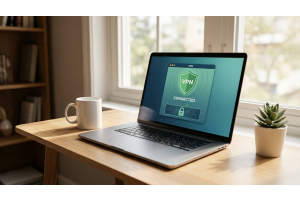
More people are working from home now. So, virtual private networks (VPNs) are vital for SMBs. A company VPN scrambles all communication between employee devices and the company network. This keeps it safe from being spied on, even on public Wi-Fi. Using a good VPN makes sure private company info stays safe, no matter where employees are working.
Licendi: Your Ally for Obtaining Antivirus Licenses
We know that money is always a worry for SMBs, especially when buying security software. That's why we want to tell you about Licendi. It's a special store where you can buy real antivirus licenses at good prices. This helps you protect your business without breaking the bank.
Why Choose Licendi for Your Software Licenses
At Licendi, you'll find many antivirus licenses from top brands. All are 100% real and legal. Unlike other stores, Licendi focuses on lower prices without losing quality or being fake. This means you can get the same strong protection big companies use, but for much less money.
Licendi sells licenses for many devices. This is perfect for SMBs needing to protect several computers, servers, and phones. Buying is quick and easy. You get your license keys right away by email. Licendi's customer service can also help you choose the best product for your business.
Available Products and Exclusive Advantages
At Licendi, you can find licenses from the best security software makers. This includes:
- Full antivirus programs
- Complete security packages
- Server protection
- And more
The store always updates its list to have the newest software. This ensures you always have the best protection against new threats.
The benefits of buying from Licendi are more than just the price. The store offers:
- A guarantee on all licenses
- Help after you buy for any setup problems
- Personal advice to pick the right solution for your company's size, devices, and risk.
Getting cybersecurity has never been easier for SMBs.

Creating an Incident Response Plan
Even with the best protection, no business is fully safe from a security problem. The key to turning a big problem into a small one is being ready. You need to be able to act fast and well when something happens. Every SMB that cares about cybersecurity needs a written and tested plan for how to respond to incidents.
Incident Identification and Classification
The first step in any response plan is to have clear ways to find and sort security problems. Not all issues need the same reaction. Forgetting a password is not as serious as ransomware locking your files. By giving each type of incident a severity level, you can decide what to focus on and react based on the real danger.
Threat Containment and Eradication
Once a problem is found, the first goal is to stop the damage from spreading. This might mean:
- Taking infected computers off the network
- Canceling stolen login details
- Turning off affected services
After that, you get rid of the threat. This involves:
- Removing the harmful software
- Fixing the weak spots that were used
- Checking that no signs of the infection are left on any system.
Recovery and Lessons Learned
In the recovery stage, you bring affected systems and data back to normal. You'll use backups if needed. After the crisis, it's important to review what happened. This helps you find:
- What went wrong
- How it could have been stopped
- What changes to make to prevent future problems
Writing down these lessons makes your company's defenses stronger over time.
Regulatory Compliance and Data Protection
SMBs need to follow many rules about data privacy and security. In Europe, the General Data Protection Regulation (GDPR) sets strict rules for how companies must handle personal data for customers and staff. Not following these rules can lead to big fines. These fines could even put your business at risk.
GDPR and Security Obligations
GDPR asks companies to put in place the right technical and organizational steps to keep data safe, based on the risk. This means you must:
- Keep systems and data private, accurate, and available.
- Be able to quickly get back access to personal data if something goes wrong.
Companies also need to report data breaches within 72 hours of finding them.
Documentation and Security Audits
Keeping good records of all your security steps, past incidents, and actions taken is key. It helps you:
- Show you follow the rules.
- Keep making your security better.
Doing regular security checks, either with your own team or outside experts, helps you find weak spots before attackers do. It also confirms that your security tools are working as they should.
Cybersecurity Trends and Preparing for the Future
Cybersecurity is always changing. SMBs need to know about new trends to be ready. Artificial intelligence (AI) is changing how attacks happen and how we defend against them. IoT devices create more places for attacks. And 'zero trust' security is becoming the new normal for businesses.
Artificial Intelligence in Cybersecurity
Artificial intelligence (AI) is changing cybersecurity a lot.
- For defense: Security teams use AI to find new threats, spot strange actions, and fix problems automatically.
- For attacks: Criminals use AI to make better phishing emails, get past security, and find weak spots faster.
SMBs should look for security tools that use AI. This helps them stay ahead of attackers.
Zero Trust Architecture
Old security methods that rely on a network 'border' are outdated. Today, people work from anywhere, and data is stored in many cloud services. 'Zero trust' security means you don't trust any connection, user, or device by default. This is true whether it's inside or outside your company network. Every time someone tries to access something, it must be checked and approved. While setting up a full zero-trust system can be hard, SMBs can start with its main ideas: always check access and give people only the minimum access they need.
Conclusion: Cybersecurity as a Strategic Investment
Cybersecurity is no longer an extra cost or just for big companies. For SMBs, it's a key investment that protects your most important assets:
- Customer data
- Company secrets
- Your business's good name
The cost of a cyberattack is much higher than the money needed to put good security in place.
Improving your company's security doesn't have to be hard. Start with these basics:
- Set up strong backups.
- Keep all systems updated.
- Install a good business antivirus (Licendi offers licenses at great prices!).
- Train your employees.
- Create strong password rules.
Once you have these basics, you can add more security as your business grows and needs change.
Security is an ongoing journey, not a one-time fix. Threats keep changing, so your defenses must change too. Stay updated, check your security often, and get expert help when you need it. Your business, staff, and customers deserve to know their data is safe with the best cybersecurity methods.
Act now. Each day without proper protection leaves your business open to risks you can avoid. Take charge of your SMB's online security. Build the defenses your business needs to succeed in the digital world of 2026 and beyond.