EN
EN FR
FR  DE
DE  IT
IT  PT
PT  ES
ES 

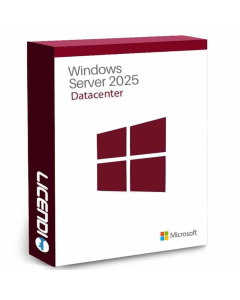
What’s New in Windows Server 2025 Datacenter
Windows Server 2025 Datacenter is Microsoft's newest server operating system. It came out in late 2024. This version brings big improvements to performance, security, compatibility, and how it works with the cloud.
It replaces Windows Server 2022 in the Long-Term Servicing Channel (LTSC). Microsoft will officially support it until October 2034. The new interface looks like Windows 11, making it easy for users who know Windows 11.
Windows Server 2025 Datacenter is as strong as older versions. But it also has new features for today's businesses. These include faster storage and better connections to hybrid clouds.
Below, we will look closely at the main new features. We will compare them to older versions like Windows Server 2022, 2019, 2016, and 2012. We'll cover performance, security, compatibility, and support. We'll also help you choose the best version for your needs.
Main New Features of Windows Server 2025 Datacenter
Windows Server 2025 brings many important improvements. Here, we will look at the biggest changes in user experience, security, performance, virtualization, and cloud features.
Modernized User Experience and Administration
When you install Windows Server 2025, you'll first notice its new look. The desktop now looks like Windows 11. This is a big change from Windows Server 2019 or 2016.
This new design looks better. It also makes it easier for IT managers who already use Windows 11 on other computers.
The Datacenter 2025 edition also includes many common tools and features by default. Before, you had to install or turn them on yourself.
For example, these features are now on by default:
- Bluetooth and Wi-Fi support: You can connect devices right away.
- Wi-Fi wireless feature: It's ready to use without extra setup. This makes setting up your server simpler.
Windows Server 2025 also comes with admin tools that you used to install separately. For example, Windows Terminal is now installed by default. This gives system administrators a stronger tool.
It also includes WinGet (Windows Package Manager). This lets you install software easily using simple commands. These new tools make server management faster and easier.
Integrated File Compression
Another helpful new feature is built-in file compression in Explorer. Windows Server 2025 adds a new right-click option called "Compress to…". This lets you easily compress files or folders into ZIP, 7z, or TAR formats.
Before, IT managers had to install other software or use command lines to do this. Now, it's part of the operating system.
The Task Manager also has a new look, like Windows 11 (Mica material). This makes it look better and adds the newest features for checking processes.
Lastly, this version makes it easy to upgrade and works well with older systems. Microsoft has made in-place upgrades simpler. You can now upgrade a server directly from Windows Server 2012 R2 (or newer) to Windows Server 2025 in one step.
With older versions, like Windows Server 2019, moving from 2012 R2 meant many updates or even reinstalling everything. Now, companies with older servers can go straight to 2025. This saves time and causes fewer problems.
Multilayer Security Improvements and Advanced Protection
Security is very important in Windows Server 2025 Datacenter. Microsoft has added many layers of security. These help protect the operating system, data, and login details from today's threats.
One big change is that Credential Guard is now on by default for systems that can use it. Credential Guard keeps your login details safe by using virtualization. This makes it harder for attackers to steal them.
In older versions, like Windows Server 2019 or 2022, this protection was there but you had to turn it on. Now, it's active right away. This adds more security without IT managers needing to do anything.
Another key new feature is Hotpatching. For the first time, Windows Server Datacenter (with Azure Arc) lets you install security updates without restarting the server.
This hotpatch feature was only in Windows Server Azure Edition 2022 before. Now, it works for all Windows Server 2025 systems connected to Azure Arc. Hotpatch lets servers install many important updates instantly. This means fewer restarts and less downtime.
For Active Directory (AD), Windows Server 2025 brings "next generation" improvements. These make the directory service more secure and able to handle more users.
In the past, AD databases had a limit of 8 KB per page. Now, AD can use 32 KB pages. This removes old limits. For example, a single attribute can now hold about 3200 entries (2.6 times more). This helps AD handle more data and larger setups.
Also, AD in 2025 includes tools to fix objects and new security rules. For example, it stops new machine accounts from getting simple default passwords. Instead, it creates strong, random ones. These changes make AD more secure and prevent weak settings.
Communications and Data Security
Communications and data security are also better. Windows Server 2025 now includes SMB over QUIC for all versions. This feature used to be only for the Azure edition.
SMB over QUIC is a new way to send SMB files. It uses UDP/443 with TLS 1.3 encryption. This lets you safely access shared files over the internet without a VPN. It uses QUIC for fast and steady connections.
Before, SMB over QUIC was not in standard Windows Server 2022 Datacenter. Now, in 2025, any Datacenter or Standard server can use it. This makes secure remote file access much easier.
Also, SMB in 2025 has stricter default settings:
- SMB signing is now required for all outgoing connections.
- LDAP communication is encrypted by default (LDAPS).
- A new SMB authentication rate limiter helps stop brute-force attacks.
These steps make it harder for attackers to target file services.
Finally, Windows Server 2025 includes more built-in security tools. For example, OpenSSH client and server are now installed by default.
In older versions, you had to install SSH on Windows yourself. Now, with 2025 Datacenter, IT managers can turn on the SSH service with one click in Server Manager. They can also manage access using the OpenSSH user group. This makes secure remote management easier.
It also comes with a default security baseline. This includes over 350 settings already set up based on Microsoft's best advice. All these changes together make Windows Server 2025 the most secure version yet. It makes the system much stronger by default than Windows Server 2016 or 2019.
Performance and Scalability: Power for Modern Workloads
Windows Server 2025 Datacenter is much faster and more powerful than older versions. It works better with new hardware and has improved core software. This means it can use the latest hardware more effectively.
A big step forward is its support for new 5-level paging in modern processors. This lets a single server use up to 4 petabytes of physical RAM.
This prepares Windows Server 2025 for very powerful computing. It removes memory slowdowns. It also still supports up to 2,048 logical processors per host. This helps use large multi-core systems to their fullest.
Beyond just numbers, Microsoft has made real improvements to performance. The storage system, especially with NVMe drives, has been fine-tuned for top speed.
Windows Server 2025 gets up to 60% more IOPS with NVMe storage than Windows Server 2022, using the same hardware. This speed increase is great for tasks that use a lot of disk space, like databases or virtual systems.
Microsoft says that better flash storage makes Windows Server 2025 “an even better platform for SQL Server.” This is because it's faster and has less delay. Moving to 2025 could make things much quicker without needing new hardware.
Functional Innovations
For storage, Windows Server 2025 also brings new features. Dev Drive (a special storage area for developers) now supports block cloning. This is because it uses the ReFS file system.
This means when you copy big files on the same ReFS drive, the system can quickly clone parts of the file. This makes copies much faster and saves space. ReFS in 2025 also has better built-in deduplication and compression. This helps you use disk space more wisely.
For networking, this version keeps and improves performance features. For example, it adds Accelerated Networking (AccelNet) for virtual machines (in preview). This makes it easier to use SR-IOV technology in Hyper-V.
AccelNet lets virtual machines send network data very fast, with little delay, and using less CPU. You don't need complex setup. This is very helpful in virtual clusters where network speed is key.
Hyper-V also lets individual virtual machines (VMs) grow bigger. A Generation 2 VM can now use up to 240 TB of RAM and 2,048 virtual processors. This is much more than before. It means you can run very large tasks on one virtual host.
Finally, the system works better overall. Windows Server 2025 includes DTrace. This is a built-in tool to check performance in real-time. It helps IT managers find problems and make the system run smoothly.
It also handles NUMA environments better for services like Active Directory. AD can now use processors from all NUMA groups. This helps it work better on servers with over 64 cores.
All these improvements mean Windows Server 2025 uses modern hardware to its fullest. It offers better performance and can handle more than older versions.

Virtualization, Containers, and AI: Innovations for Modern Environments
Windows Server 2025 Datacenter is made for today's virtualization and container trends. It has features to better support AI tasks and container apps.
Hyper-V has several improvements for high availability and new technologies. For example, when you create a virtual machine in Hyper-V Manager, it now defaults to Generation 2.
More importantly, Windows Server 2025 adds GPU Partitioning with high availability (GPU-P). You can share parts of a physical GPU with many virtual machines. If the main server fails, a VM using a GPU part can automatically restart on another server in the cluster.
It even lets you move VMs with GPU-P to another server without turning them off (Live Migration). This helps balance work and do maintenance. This is key for AI or graphics tasks that use shared GPUs.
Hypervisor-Enforced Code Integrity
Another step forward is better Hypervisor-Enforced Code Integrity and new security features for virtualization.
Windows Server 2025 turns on Hypervisor-Enforced Paging Translation (HVPT) by default. This feature protects memory inside the hypervisor. It makes memory corruption attacks harder.
HVPT adds to HVCI (Hypervisor-Protected Code Integrity). It protects important system parts from unwanted changes. In short, VMs in Hyper-V 2025 are even more separate and secure.
For container environments, Windows Server 2025 focuses on how easily you can move things. It adds a feature called “Container Portability.” This makes it simpler to move container images between different servers or setups without changes.
This helps IT managers move Windows containers between their own data centers and the cloud. Or from a 2019 server to a 2025 server. There are fewer worries about things not working together.
Windows Server 2016 first brought Windows containers. Each version since has made them better and more compatible. Now in 2025, the technology is very good. Windows containers are more flexible and easier to move.
Finally, this version has features for AI applications. It can use special hardware better. Microsoft calls Windows Server 2025 an “AI-ready” platform.
It supports huge amounts of memory and CPU. It can also share GPUs across VMs. This means a 2025 Datacenter server can be a strong base for training AI models or running AI tasks at the edge.
In the end, Windows Server 2025 improves classic virtualization. It also understands modern needs like containers and AI. This makes it a great choice for new business applications.
Hybrid Integration with Azure and Cloud Management
Windows Server 2025 was made for the hybrid cloud. This means it works well for companies that use both their own servers and cloud services like Azure.
So, this version has features that make it easier to connect with cloud services. It also offers flexible ways to pay for licenses.
One of the best new features is Simplified Azure Arc Configuration. Azure Arc is a Microsoft tool. It lets you manage your local servers as if they were in Azure.
In Windows Server 2025, the Azure Arc agent is already installed as a Feature on Demand. It comes with an easy-to-use guide to connect your server to Azure Arc.
Right after installing, IT managers can open this guide. In just a few steps, they can register the server in Azure. Once connected, you get hybrid features like:
- Managing the server from the Azure portal.
- Applying central rules.
- Using Windows Admin Center hosted on Azure Arc.
With Windows Server 2019 or 2022, you had to manually download and install the Azure Arc agent. Now, it's much simpler to set up. This shows Microsoft wants to make managing hybrid systems easier.
Along with Arc, there's a new way to pay for licenses that can be helpful: a "pay-as-you-go" subscription.
Windows Server 2025 lets you pay for server licenses like you do for Azure. You pay monthly based on what you use, instead of buying a license forever. You can turn on this subscription through Azure Arc. Then, your server use is added to your Azure bill.
This is good for companies that prefer ongoing costs (OpEx) over big upfront costs (CapEx). It's also useful for temporary or test setups. This option works alongside regular licenses, giving you more choice.
Windows Server Management in Azure Arc
Finally, Microsoft offers Windows Server Management in Azure Arc. This gives benefits to those who use Windows Server 2025 with Arc and have Software Assurance.
These benefits include:
- Access to Windows Admin Center directly from Azure.
- Just-In-Time remote support options.
- Checks for best practices.
- Easier setup for Azure Site Recovery to protect against disasters.
Simply put, Windows Server 2025 wants to give IT managers the ease of cloud tools for their local servers. This applies to managing, supporting, or keeping their business running.
For small businesses, this could mean managing a local server using a modern web tool (Azure) without needing to be a PowerShell expert. For larger companies, it means setting the same rules and using Azure tools across all servers.
To sum up, Windows Server 2025 Datacenter builds on the hybrid idea from Windows Server 2019/2022. It makes it easier to move to the cloud and offers new options, like subscription licenses, that weren't there before.
This makes Windows Server 2025 more flexible for today's varied IT setups. The line between local servers and the cloud is becoming less clear.
Comparison with Previous Versions: Windows Server 2025 vs 2022, 2019, 2016, 2012
We've looked at what's new in Windows Server 2025 Datacenter. Now, let's see how it compares to older versions. Each past version brought important changes. Knowing these helps us see how much the platform has grown.
Below, we will quickly compare Windows Server 2025 with versions 2022, 2019, 2016, and 2012. We'll look at key areas and include a summary table.
Windows Server 2012/2012 R2
Windows Server 2012/2012 R2 (released in 2012, R2 in 2013) focused on virtual machines and storage. It brought Hyper-V 3.0, the ReFS file system, and Storage Spaces.
Its look was like Windows 8's "Metro" style. Datacenter editions supported up to 4 TB of RAM and 64 CPUs.
For security, Windows Server 2012 had basic features. But it didn't have modern protections like Credential Guard or Shielded VMs. Its official support ended in October 2023.
Windows Server 2016
Windows Server 2016, released in 2016, brought big changes. It was the first to have Windows and Hyper-V containers that worked with Docker. It also introduced Shielded VMs.
It could also handle more, supporting up to 24 TB of RAM. For security, it added Credential Guard (not on by default) and Device Guard. It also had Just Enough Administration.
It's still supported until January 2027. Many businesses still use it, but it doesn't get new features anymore.
Windows Server 2019
Windows Server 2019, released in late 2018, brought together older features. It also started to add hybrid cloud tools.
It added features like Windows Defender ATP built-in. It also had Exploit Guard and better Windows Defender Firewall.
For hybrid cloud, it connected with Azure Backup and Azure File Sync. It also let you extend Active Directory to Azure AD.
It also made Storage Spaces Direct better and added unlimited storage copying.
Windows Server 2019 has extended support until January 2029. But its main support ended in 2024. This means companies should plan to upgrade.
Windows Server 2022
Windows Server 2022 came out in mid-2021. It was an improved version of 2019, focusing on security and speed.
It brought the idea of a Secured-core Server. This uses hardware like TPM 2.0, UEFI Secure Boot, and VBS. These give strong protection against firmware malware and kernel attacks.
It also added built-in support for TLS 1.3 and DNS over HTTPS. It made TCP/SMB connections work better. It supported up to 48 TB of RAM and 2,048 logical processors.
Windows Server 2022 was the first to have an Azure Datacenter Edition with Hotpatching and SMB over QUIC. Its support lasts until October 2031, making it a good choice for many.

Recommendations: Which Windows Server Version to Choose?
Many versions of Windows Server are available. So, which one is best for your company? The answer depends on what you need, your hardware, and your IT plans.
Below are some general recommendations:
Small Businesses or Home/Lab Environments
For small or medium businesses that don't need the newest features, Windows Server 2019 might still work. It's stable and gets security updates until 2029.
But Windows Server 2025 has much better security. So, it's smart to plan to upgrade to 2022 or 2025 soon.
For new setups, Windows Server 2022 can be a good, cheaper choice with six more years of support. But if you have the budget, choose Windows Server 2025 Datacenter. It has the longest support and modern features for Azure.
Also, 2025 offers a monthly subscription payment option. This can be good for small companies because it means lower costs to start.
Large Enterprises and High-Demand Corporations
For large companies, we suggest moving to Windows Server 2025 Datacenter as soon as you can. This version is the most secure and best performing. It's perfect for places where keeping data safe and always available is key.
Features like Hotpatching (updates without downtime), Credential Guard, and better Active Directory make it more secure right away. Plus, support until 2034 means your system will be stable for a long time.
If you still use 2016 or 2019 servers, you should upgrade sooner. Windows Server 2016 support ends in 2027 and misses many new security features. Windows Server 2019 no longer gets main support and doesn't meet the “Zero Trust” security goals of 2025.
Simply put, 2025 Datacenter is the best Windows Server version for large companies. It helps them stay up-to-date and reduce risks, as long as their apps work with it.
Cloud-Integrated or Hybrid Environments
Windows Server 2025 works best with Azure. If your IT plan includes both local and cloud systems, this version will make things simpler.
The Azure Arc guide lets you connect your servers to Azure quickly. From there, you can use cloud services for checking, backing up, updating, and more.
You can also use pay-as-you-go licensing through Arc. This lets you add more servers only when you need them. Windows Server 2022 also works with hybrid systems, but 2025 makes it even easier.
If your company already uses Azure, Windows Server 2025 is the best choice. It helps you manage both your local and cloud tasks in one place.
Individual Users or Developers
Windows Server is mostly for big companies. But some IT pros or developers set up their own test systems.
For them, using the 180-day free trial of Windows Server 2025 is a good way to try new features for free.
If you want a lasting but cheap setup, Windows Server 2022 Standard might be enough. But Windows Server 2025 Datacenter has better container support and works with modern tools, which is good for developers.
Also, the Essentials 2025 edition (for systems with one CPU and up to 10 cores) could be perfect for small offices or labs if it comes pre-installed on your computer.
In Conclusion...
Windows Server 2025 Datacenter is a big improvement over older versions.
If you want the best Windows Server version for new features and future needs, 2025 is the clear choice. It offers much better performance, stronger built-in security, and amazing connections with Azure. Plus, you get peace of mind with official support until the next decade.
Windows Server 2022 is still a good option. But 2025 has key differences, like general hotpatching and built-in SMB over QUIC. These might be important for your specific needs.
Windows Server 2019 and 2016 are now mostly for older systems. You should plan to move away from them. The technology gap between these versions and 2025 is large, especially for security.
Finally, when picking a version, think about your needs for the next few years. If your company wants top security, best performance, and cloud readiness, Windows Server 2025 Datacenter is the best choice.
This version is made to be “future-proof.” It gets you ready for tomorrow while handling today's tasks.
With Windows Server 2025, Microsoft has given us a server platform ready for the next wave of IT. It keeps its trusted reliability and adds tools to handle new challenges.
Check out the new features, use the free trials, and get ready to upgrade your Windows Server system with 2025!