EN
EN FR
FR  DE
DE  IT
IT  PT
PT  ES
ES 

Advantages of Upgrading to RDS 2025
Remote Desktop Services (RDS) 2025 is the newest version of Microsoft’s remote desktop technology. It comes with Windows Server 2025. More people are working remotely or in hybrid setups. Because of this, RDS 2025 offers big improvements over older versions like RDS 2019 and RDS 2022. This version provides a stronger, future-ready system. It has better performance, security, management, compatibility, and user experience.
Below, we will look at the main benefits of upgrading to RDS 2025. We will compare its improvements with older versions. You'll see how these new features help both IT managers and users. They make remote access to company apps and desktops faster, safer, and easier.
Improved Performance
One of the best reasons to upgrade to RDS 2025 is its much faster performance. Compared to RDS 2019 and RDS 2022, the 2025 version is made for faster sessions and less delay. This is true even when many users are connected at once. Here are some key performance improvements:
Better Load Balancing
RDS 2025 sends user traffic more evenly across session host servers. This stops slowdowns and uses server power better. It makes sure no server gets too busy while others are not fully used.
Resource Optimization
The system has better ways to give out CPU, memory, and internet speed to each user session. This means remote apps run smoothly and things happen faster, even during busy times.
Greater Scalability
This version lets remote desktop systems grow more easily. RDS 2025 can handle more users and sessions at the same time without slowing down. In older versions, you often needed more hardware for many users. Now, the software uses your current setup better.
Better Graphics and Multimedia
RDS 2025 is made for apps that need a lot of power, like CAD design, 3D modeling, or data analysis. It offers better support for graphics cards and improved graphics. Users doing graphics-heavy tasks will notice less waiting. Their experience will be closer to using a local PC. Also, videos and audio play smoother in remote sessions. This is thanks to better use of video/audio tools and less delay in sending data.
In short, these speed improvements mean a faster and more stable remote work setup. Employees can work without stops or annoying delays. This is true even as the company grows and more people use RDS. Unlike RDS 2019 or 2022, where busy times could cause slowdowns, RDS 2025 keeps sessions quick and steady.
Enhanced Security
Security is a very important part of any computer system. Remote Desktop Services 2025 takes a big step forward here. RDS 2019 and 2022 already had good security, like session encryption and Network Level Authentication. But the 2025 version makes protection much stronger against today's dangers. Key security improvements include:
Easier Multi-Factor Authentication (MFA)
RDS 2025 works better with multi-factor authentication (MFA) solutions. It's easier to ask for a second way to prove who you are when you log in. This can be through Microsoft Entra ID (Azure AD) or other compatible services. In older versions, MFA was possible but needed more setup. Now it works more smoothly, adding more security without trouble.
Next-Generation Encryption
All remote desktop traffic in RDS 2025 uses stronger, newer ways to scramble data. Encryption methods have been made stronger to protect data as it moves (for example, using modern TLS by default). This means private information sent during sessions—like logins, documents, and secret data—is safe from being stolen or attacked.
Advanced Threat Protections
The new version includes smart security features. These can find threats, possibly using artificial intelligence. For example, it can quickly spot strange behavior or hacking attempts in remote sessions. While this goes beyond basic RDS, it helps the system protect remote setups from complex cyberattacks.
Detailed Access Control
RDS 2025 offers more ways to set rules for access based on roles and conditions. Managers can now set more specific limits. These limits can depend on who the user is, what device they use, or even where they connect from. This allows for using "least privilege access" more exactly than in RDS 2019/2022. It also fits with Zero Trust security ideas. For example, some users can be stopped from downloading private data when connecting outside the office. Or, MFA can be required only when connecting from unknown networks.
Easier to Follow Rules
With the new security controls and logs, it's easier for companies to follow data protection rules. RDS 2025 helps check access and set up systems to meet industry rules. This includes strong encryption, key length rules, and turning off old security methods like NTLM. This is very important in industries with strict rules, like finance or healthcare.
Overall, these security improvements mean that upgrading to RDS 2025 gives businesses a safer place against data leaks and unwanted access. RDS 2019 gave a good base (basic encryption, required Network Level Authentication). RDS 2022 added small improvements. But RDS 2025 adds new features that give more peace of mind. For any company handling private information, paying for these new security features means less risk and more trust in using remote desktops.
Simplified Administration
Besides speed and security, RDS 2025 also helps with how the system runs and is managed. Microsoft has added several improvements that make life easier for system managers. This includes setting up and keeping Remote Desktop Services running. Compared to older versions, RDS management is simpler and more efficient in 2025 thanks to:
- Improved Monitoring and Diagnostic Tools: It's now easier to find and fix problems in the remote desktop system. RDS 2025 offers more detailed and easy-to-access logs and checks. This helps quickly find connection, speed, or security problems. For example, a manager can quickly see why a user was disconnected. Or they can find out why an app is running slow, thanks to more complete logs. This clear view means less time when things aren't working and a more stable experience for users.
- Better License (CALs) Management: The new version includes tools to better control how client access licenses (RDS CALs) are used. From the licensing screen, you can get clear reports on how many users/devices are connected. You can compare this with the licenses you have. You can even set alerts when you're close to your license limit. This stops problems with not following rules. In RDS 2019/2022, much of this had to be done by hand. RDS 2025 offers a clearer view and helps avoid surprises during software checks.
- Updates with Fewer Restarts: Windows Server 2025, which RDS 2025 runs on, has a hot patching feature. This lets you apply some security updates to the server without needing an immediate reboot. For managers, this means keeping the system updated with important fixes. It causes very little effect on remote users. Before, you often had to plan times for maintenance, which could stop active remote sessions. Now, many updates can be applied live, keeping service running better.
- Integration with Cloud Tools: Managing RDS 2025 benefits from better connection with tools like Azure. For example, you can manage a mix of local and cloud RDS using one main control in Azure Virtual Desktop for some setups. This brings everything together. It also works better with Microsoft Intune and Endpoint Manager. This makes it easier to set rules or manage RDS devices from the same place used for other company systems.
- Faster Deployment and Migration: Moving to RDS 2025 doesn't mean starting over. Microsoft allows upgrades on the same system from older Windows Server versions (like 2019 or 2022 to 2025). It also helps move RDS parts. This makes upgrading less complicated. Plus, tools in Server Manager and PowerShell scripts are simpler. They help set up all needed RDS parts (Session Host, Connection Broker, Gateway, Web Access, etc.) automatically. In short, setting up a new RDS system or upgrading an old one to version 2025 takes less time and has fewer errors.
All these management improvements mean the system is not only more powerful but also easier to maintain every day. IT pros can spend less time on routine tasks or fixing problems. They can spend more time on important projects. RDS 2019 and 2022 already offered a familiar setup. But with these new features, the 2025 edition makes things smoother. Monitoring performance is easier, license rules are clearer, and problems from maintenance are much less.

Extended Compatibility
RDS 2025 also stands out as a system ready to work well with current and future technologies, both software and hardware. By upgrading to this version, companies get better compatibility in many ways:
- Support for Modern Clients and Operating Systems: Older versions sometimes had problems with certain setups. But RDS 2025 works perfectly with the newest remote desktop clients, including Windows 11 and future Windows versions. It also connects better from macOS, Linux, iOS, or Android using the newest official RDP client, or even through web browsers. This makes sure that now and in the future, users can connect from almost any device without problems.
- Compatibility with Applications and Peripherals: Using local devices in remote sessions works better. RDS 2025 improves using local printers, USB drives, audio, and other devices. This means things like printing documents to a local printer or using a card reader connected to the user’s PC work more steadily and quickly. Old or special business apps also run better on this new server. This is because it's faster and works with updated Windows tools.
- Better Mix of Local and Cloud Systems (Hybrid Integration): One of RDS 2025’s strengths is how it lets you mix local computer systems with cloud services. For example, a company can keep a local RDS server and also use Azure Virtual Desktop for some tasks, managing both at the same time. It works with Azure AD for mixed logins. This means a user can log in once and get to both local files through RDS and cloud apps. This kind of flexibility was very basic in RDS 2019 and only partly available in RDS 2022. But in 2025, it's much smoother. In practice, this makes it easier to move to the cloud slowly or set up ways to keep business running. You can add more power in Azure during busy times or for users far away, without giving up your local servers.
- Ready for Future Technologies: As the newest version, RDS 2025 is ready for new technologies. For example, it includes the newest RDP updates. These improvements can use modern hardware better (like multi-core processors, advanced graphics cards, and fast internet). It is also ready to work with future versions of work and team apps. This gives companies peace of mind that their remote desktop system won't become old as software changes in the coming years. If you stay on RDS 2019 or 2022, you might miss out on new features when those versions no longer work with newer tech.
In summary, RDS 2025 provides a very flexible system that works well with both existing and new technologies. From a compatibility view, upgrading makes sure that client software, user devices, cloud services, and special apps all work well with your remote desktop system.
Optimized User Experience
All the improvements above lead to one main result: a better experience for users when using remote desktops and apps. By upgrading to RDS 2025, employees will notice good changes in how they use their remote work systems every day:
- Smoother Sessions: Thanks to faster speed and less delay, working on a remote desktop with RDS 2025 feels more natural. Actions like opening programs, saving files, or moving through apps happen almost instantly. There are no small delays that could slow down work in older versions. Even when using apps for video/audio, video calls, or watching videos through the remote session, it plays smoothly with fewer stops.
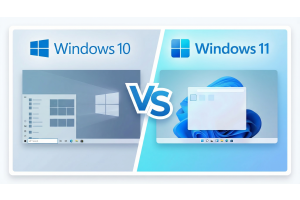
- Easy-to-Use and Modern Look: Windows Server 2025 uses the Windows 11-style look for the desktop. This means if a user starts a full remote desktop session on a server with RDS 2025, they will see a modern and familiar look that matches Windows 11. Menus, settings, and the overall style are easier to understand for those already using Windows 10/11 on their own devices. This makes it easier to learn. In contrast, Windows Server 2019 had a more classic look. Now, moving between your local PC and the remote desktop is smoother.
- Improved Web Portal: The Remote Desktop Web Access feature in RDS 2025 has been updated. It now offers a web portal that's easier to use and works on different devices. Users can open their browser and log into the RDS portal to launch their remote apps or desktops without installing anything extra. The web interface in this version is responsive (works well on tablets or smartphones), has simple navigation, and even allows some ways to change how it looks for your company. This makes remote access better when you're on the go, which is great for flexible work. In RDS 2019/2022, a web portal already existed, but the 2025 version looks more modern, following today's design and ease-of-use rules.
- Smooth Reconnection and Always On: Thanks to improvements in the Connection Broker, if a user is disconnected by mistake (for example, by losing their internet connection for a moment), RDS 2025 makes it easier to quickly get back to their work without losing anything. Sessions left open are managed better, so getting back to work is almost instant. Older versions also allowed reconnection, but how fast and reliable this process is has gotten better. This makes it less annoying to have to start over.
- Better Use of Local Devices: As mentioned in compatibility, from the user’s view, this means they can use their local printer, cameras, microphones, or USB drives in the remote session more easily. For example, printing a document from a remote app directly to the printer next to them now happens without long waits. This makes the remote working experience almost as good as if everything was on their own computer.
Overall, the RDS 2025 system gives users a more comfortable, fast, and reliable remote work environment. When employees feel they can do their jobs without dealing with technical problems (like setting up VPNs, slow connections, or old-looking screens), their happiness and work output go up. So, upgrading not only brings hidden technical benefits, but also leads to happier and more efficient users throughout their workday.
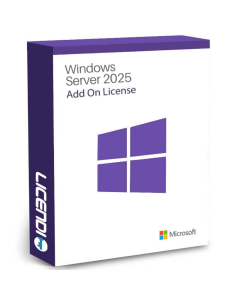
If your company is thinking about this upgrade, remember that good planning is key. An important part is having official Windows Server 2025 licenses to use RDS 2025. Stores like Licendi let you buy Windows Server 2025 cheaply and with an activation guarantee. This means a legal, affordable move without any activation problems.

Conclusion
The advantages of upgrading to RDS 2025 are many and strong. Compared to older versions (2019 and 2022), this version is a big step forward. This is clear in all key parts of a remote desktop system:
- For performance, it offers faster sessions, easy growth, and support for apps that need a lot of power.
- For security, it adds new ways to protect data and access in a world with more cyber threats.
- For administration, it makes daily management easier and reduces times when things are down, with better tools and ways to maintain it.
- For compatibility, it works fully with today's cloud systems, devices, and software. It is also ready for future technologies.
- For user experience, it provides a nicer remote environment that's smoother and feels more like working locally.
In the end, RDS 2025 is made for today's work needs. Companies that move to this new version will be able to make remote work and access easier and safer. This leads to employees who get more done and systems that are better protected. If your company is still using RDS 2019 or 2022, it's worth really looking at these improvements. Upgrading to Remote Desktop Services 2025 not only makes your IT system last longer but also makes it much better. It gives more value and strength against today's and tomorrow's tech challenges.